
"Central Kavehaz"
30891 article(s) found

Happy Manor, Central American Coffee producer, Nicaragua Coffee producer
The main products of Central American Nicaraguan coffee are happy and healthy drinks, including classic tea, Hong Kong-style freshly ground coffee, light fresh fruit tea, milk tea, sunny lemon, moussa and so on. Central American Nicaraguan coffee adheres to health, fashion, leisure, nutrition, fast business philosophy and the brand purpose of fashion drinks and personality life, Central American Nicaraguan coffee and rely on personality.

Coffee producing area-Central America. Introduction of coffee producing areas in Central American countries.
For more information on coffee beans, please follow the Coffee Workshop (official Wechat account cafe_style) the land bridge between Central and South America. There are seven countries, namely, Belize, Costa Rica, El Salvador, Guatemala, Honduras, Nicaragua and Panama. Coffee is produced in seven Central American countries, including Guatemala, Costa Rica and Hongdu.

The Coffee Culture in Central and Northern Europe
The coffee culture in central and northern Europe is neither as passionate as the Italian nor as romantic as the French. People in central and northern Europe drink coffee rationally and gently, just like its organized nationality. European life and coffee culture have become almost inextricably linked. In addition to the distinctive coffee culture in Italy and France, Austria, Switzerland and Germany

Dirkley's "Father of Coffee trees in Central and South America"
In the middle of the 18th century, cafes were opened in major cities in Europe, and the huge demand for coffee led to the popularity of growing coffee in Central America. At present, most of the Tibica coffee trees in Central America are related to the coffee mother tree transplanted by Deckley. In 1777, 19 million coffee trees were planted on Martinique Island alone. Haiti, Puerto Rico and Cuba in the Caribbean followed suit to grow coffee.
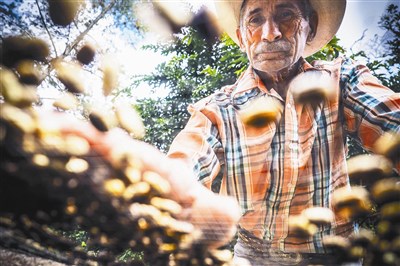
Comment on Nicaraguan Coffee Flavor Central American Coffee beans from Central America
Nicaraguan coffee Nicaragua coffee flavor characteristics: moderate acidity, fragrant and delicious. Nicaraguan coffee of high quality is in the forefront of coffee beans in the world and enjoys a good reputation. Its particles are moderate in size, mild in taste and very aromatic and mellow. Nicaragua is located in central Central America, bordered by the Pacific Ocean to the west and the Caribbean Sea to the east. The highlands in the north and the coastal plains in the east

Will the coffee treated by honey and anaerobic treatment surpass the washing method in Central America?
For decades, classic washed or wet processed coffee from Central America and Mexico has become one of the most popular types of coffee in the world. Usually clean, usually sweet and sour, with a range of ever-changing fruit flavors always drupes, usually some oranges and flowers, nuts and caramel to rich dark chocolate, depending on coffee and roasting. Most likely, some fragrance.

Los Congo Estate in Central America Fine Coffee Bean Flavor Taste Aroma Description Introduction
Nicaragua is located in central Central America, bordering both the Pacific Ocean and the Caribbean Sea. It has a beautiful tropical feel. Although it is one of the poorest countries in Central America, it produces coffee that is loved by coffee lovers. The development of coffee industry in Nicaragua is not easy. Due to the influence of civil war, coffee production has dropped sharply for a time, but it has shown an upward trend in recent years. although

Stories about the characteristics of well-known Central American coffee producing areas
Well-known representative coffee: Tarrazu Costa Rica, like other Central American countries, widely grows Arabica coffee. Its coffee is mainly grown in two high areas, one is the high area near the capital San Jose, and the other is the Tarrazu mountains southeast of San Jose. Because coffee is grown in Costa Rica at high altitudes.

Nicaragua's poorest coffee plantation in Central America Joy coffee plantation Climate altitude profile
Nicaragua is located in central Central America, bordered by the Pacific Ocean to the west and the Caribbean Sea to the east. North central highlands, coastal plains to the east, is part of the Central American volcanic belt. The eastern plain is hot and rainy, and has a tropical marine climate. Suitable climate provides a good growing environment for coffee cultivation. High quality Nicaragua coffee, grown in the north and centre of the country. Coffee is black.
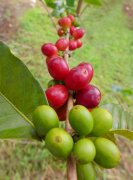
A brief talk on the Regional Flavor of Coffee in Central America-- Panama, which is famous for its rosy summer
For the exchange of professional baristas, please pay attention to the coffee workshop (Wechat official account cafe_style) the Boguit producing area (Boquete) is the oldest and most famous coffee producing area in Panama, located on the eastern side of the Baru volcano, on a plateau about 10002000 meters above sea level. The ecological environment of the Bogut area is intact and the rainfall is abundant. The good planting environment makes the coffee in the Bogut area have a unique aroma.

Mellow Nicaraguan Coffee introduces Los Congo Village in Central Central America in Matagalpa
When tasting Nicaraguan coffee, it is best to drink cold water first, so that you can better feel its mellow taste. Drink coffee while it is hot, because the tannins in Nicaraguan coffee are easy to change during cooling, and the taste becomes sour, which will affect the flavor of the coffee. You can add the right amount of sugar, and then add cream. Enjoy a cup of high quality Niga

Coffee hand flushing technique: central water injection
I have been using the central water injection method since I touched the hand, that is, I only inject water in the center without spreading it, and a small hole will be formed after extraction. As opposed to the central water injection method is the immersion method, that is, the whole coffee noodle is injected with water. Many friends feel that the central water injection method may not be able to extract completely, but my feeling is that the central water injection can extract completely, but it is the immersion method.

Introduction of Nicaraguan Coffee Manor Los Congo Manor in Central Central America
Nicaraguan coffee is grown in fertile volcanic soil, and SHG is the best harvested from 1500 to 2000 meters above sea level. The local climate belongs to alpine terrain, which is surrounded by thick fog throughout the year and covers the whole mountain forest, resulting in a low-temperature and humid climate. Years of mating evolution of tree species, coupled with insisting on the ancient and time-consuming treatment process, retain natural acidity and strong aroma, and shade is used.

Dirkley-- the Father of Coffee trees in Central and South America
In the middle of the 18th century, cafes were opened in major cities in Europe, and the huge demand for coffee led to the popularity of growing coffee in Central America. At present, most of the Tibica coffee trees in Central America are related to the coffee mother tree transplanted by Deckley. In 1777, 19 million coffee trees were planted on Martinique Island alone. Haiti, Puerto Rico and Cuba in the Caribbean followed suit to grow coffee.

Understand the coffee hand flushing technique: central water injection
I have been using the central water injection method since I touched the hand, that is, I only inject water in the center without spreading it, and a small hole will be formed after extraction. As opposed to the central water injection method is the immersion method, that is, the whole coffee noodle is injected with water. Many friends feel that the central water injection method may not be able to extract completely, but my feeling is that the central water injection can extract completely, but it is the immersion method.

Introduction to the central and southern producing areas of Nicaraguan coffee with beautiful sour taste and moderate mellowness
Nicaragua is located in central Central America, facing both the Pacific Ocean and the Caribbean Sea. Has a beautiful tropical amorous feelings. Although it is one of the poorest countries in Central America, it produces coffee that is popular with coffee lovers. The development of the coffee industry in Nicaragua is really not easy. Due to the influence of the civil war, coffee production decreased sharply for a time, but only showed an upward trend in recent years. Although
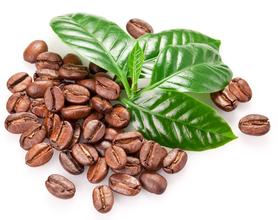
Boutique coffee beans: a detailed explanation of the producing areas and flavor of the world's boutique coffee beans
South American Coffee region introduction / SouthAmericanArea Columbia [Xuefeng] Coffee ColombiaKoguiSnowCapSpecialtySupremo: South American countries: Colombia: SierraNevada flavor: obvious nutty flavor, rich and varied overall taste. Columbia [MDLS] Manor ColombiaMDLS country: South American country: Colombian region

Instant Coffee Expo Vietnam Central Plains (G7) Instant Coffee Series
When it comes to instant coffee, we have to start with Vietnamese coffee. Robusta coffee beans, which are often used to make blends of instant coffee and high-end coffee, are almost all exported to Vietnam. At present, Vietnam has become the second largest coffee producer in the world. Vietnamese coffee is exported to more than 50 countries in the world, and the United States has become the largest customer! The most famous ones in Vietnam are Wiener and the Central Plains. What about the following?
Taiwan helps Central America fight Coffee Diseases
Tao Wenlong, secretary-general of the Foundation for International Cooperation and Development, signed a memorandum of understanding with the general manager of the Central American Economic Integration Bank on the 5th to assist in the coffee rust loan project in the Central American region. Dozens of people, including Ambassador of the Republic of China to Honduras Guo Yongliang, Minister of Agriculture and Animal Husbandry of Honduras Jacobo Regalado, coffee industry leaders and government officials, attended the ceremony.

The central water injection technique of hand-brewing coffee
I have been using the central water injection method since I touched the hand, that is, I only inject water in the center without spreading it, and a small hole will be formed after extraction. As opposed to the central water injection method is the immersion method, that is, the whole coffee noodle is injected with water. Many friends feel that the central water injection method may not be able to extract completely, but my feeling is that the central water injection can extract completely, but it is the immersion method.